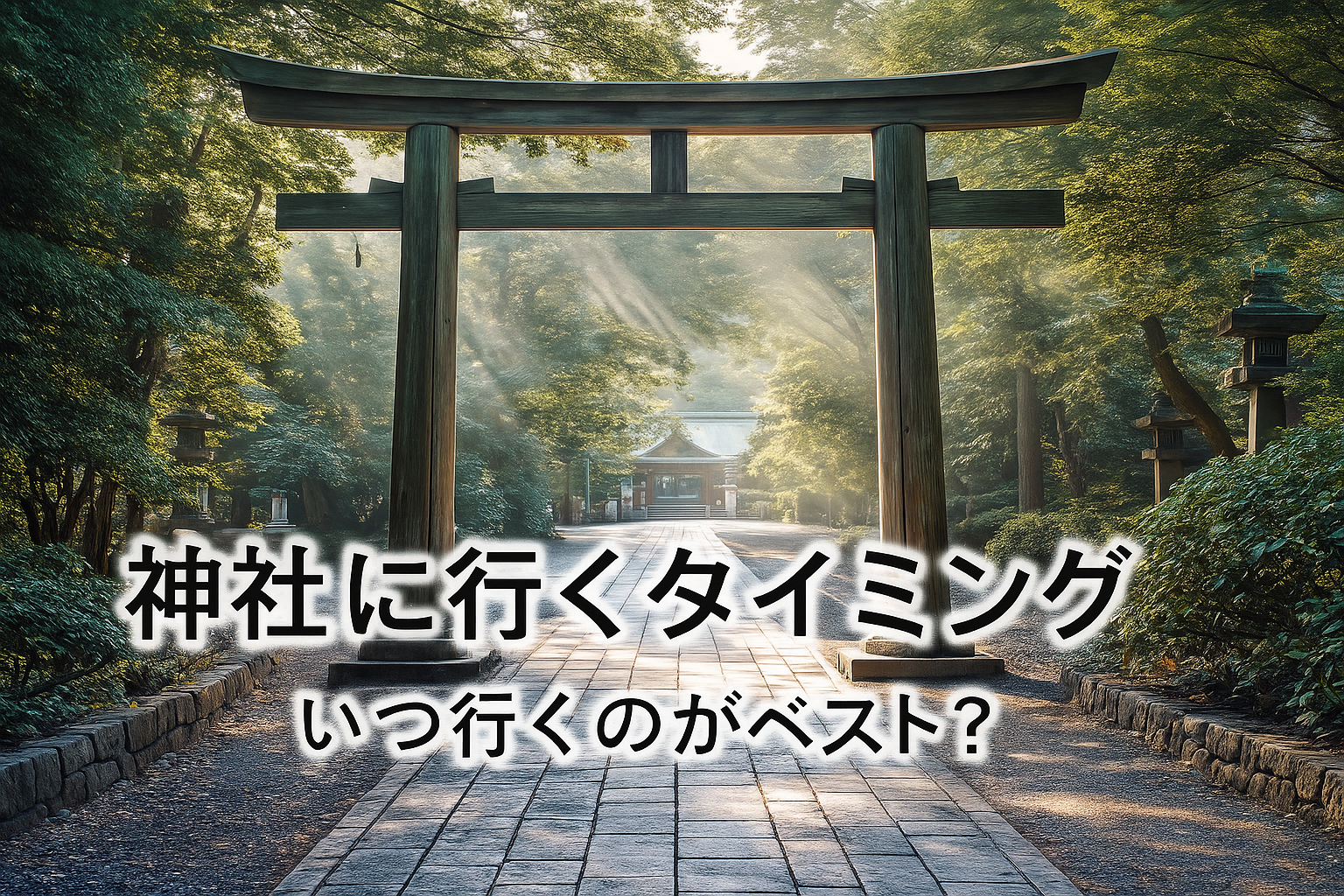
多くの人が、「神社って、行きたいけどいつ行けばいいの?」「行くと心が軽くなるって聞いたけど本当?」「どのくらいの頻度で参拝すればいい?」と感じているかもしれません。
この記事では、神社への参拝における「ベストなタイミング」、参拝することで得られる効果、そして「どのくらいの頻度で行くのがいいか」について、神道的な観点や一般の習慣から考えてみます。
神社参拝の意味と「浄化される」と言われる背景
まず、そもそもなぜ人は神社に足を運ぶのでしょうか。Shinto Shrine(神社)は、自然や神々と人とのつながりを感じられる場所として、日本人の生活や文化に根づいています。KANSAIガイド+2Your Secret Japan+2
神社には多くの場合「Chōzuya(手水舎、水で手と口を清める場所)」があり、参拝前に手と口を清めるのが習わしです。これは単なる儀式ではなく、「身と心を清め、神様に向き合う準備をする」という象徴的な行為です。FUKUOKA CITY Official Tourist Guide+2Japan Guide+2
このように、「清める → 感謝・祈願する」というプロセスを経ることで、参拝者は心を整え、気持ちがリセットされるように感じる傾向があります。これが俗に「浄化された」「心が軽くなった」「気分がリセットされた」と言われる理由のひとつです。
さらに、多くの神社は木々に囲まれ、自然の気が満ちています。こうした環境そのものが、人に落ち着きや癒やしを与え、日常のストレスや雑念から距離を置くきっかけになり得ます。More Than Tokyo+1
したがって、「神社=祈願の場」だけではなく、「心身のリセット・浄化の場」として訪れることには、それなりの意味と価値があると言えるでしょう。
いつ行くのがいい?時間帯と吉日の選び方
⏰ ベストな時間帯:午前から昼過ぎ、それに加えて“朝参り”という選択肢
神職や参拝ガイドなどによると、神社参拝に最も適している時間帯は 午前9時〜11時ごろ と言われています。この時間帯は、朝の清々しさが残り、参拝客も少なく、境内の空気が静かで神聖な時間を感じやすいのが理由です。三島神社オンライン授与所 powered by BASE+2神社と日本の伝統文化+2
また、もし可能であれば「日の出直後〜朝の早めの時間帯」に参拝する“朝参り”もおすすめです。多くの神社の本殿は太陽の光を迎えやすい向きに設計されており、朝の光とともに参拝することで “新しい気” を取り込みやすいとも言われています。アメーバブログ(アメブロ)+2頭之宮四方神社+2
ただし、これはあくまで目安であり、神社の開門時間内であれば、昼間〜夕方の参拝も問題ありません。重要なのは「静かに、心を整えて参拝すること」であり、時間帯そのものに過度にこだわる必要はないという声もあります。tabikobo.com+2irumijinjya.jp+2
📅 吉日で行う — 「縁起のいい日」を選ぶのも一案
日本の暦には、参拝に吉とされる日(吉日)がいくつかあり、こうした日に神社へ行くことで「気の流れが良い」とされることがあります。代表的なのは、天赦日や一粒万倍日、神吉日など。特に天赦日は“全てを赦す日”とされ、祈願や新しいことを始めるのに向いているとされます。株式会社 折橋商店+2festaria(フェスタリア)+2
もし「運気を上げたい」「新しいスタートを神様に報告したい」と考えているなら、こうした吉日をチェックして参拝日を選ぶのも良いでしょう。
ただし、「大安」「大安吉日」のような縁起日にこだわるあまり、逆に混雑を避けたい場合もあります。その意味で、混雑を避けつつ心をこめてお祈りできる“静かな平日や朝”を選ぶのも、有効な判断です。
どれくらいの頻度で参拝するのがいい? — 「ここぞ」のタイミングで十分
では、「毎月」「週に一度」「毎日」……といった頻度で参拝すべきでしょうか? 結論から言うと、頻度に形式的な決まりはなく、「必要だ」と感じたときに行くのが一番自然です。
神社はあくまで「神様との対話の場」「心を整える場」「感謝や願いを伝える場」。毎度の参拝が義務になると、形式だけが先行し、気持ちが伴わない“作業参拝”になってしまう恐れがあります。
そのため、たとえば次のようなタイミングでの参拝が効果的です:
- 年の始め(新年)や年度の変わり目、新しい環境の節目など
- 心機一転したいとき、気持ちを切り替えたいとき
- 大切な出来事(就職、入学、結婚、出産など)の前後
- 日々の感謝を伝えたいとき
また、定期的に参拝することで“神社と自分自身の関係性”を自然に保つこともできます。ただし、それが義務や習慣になりすぎず、あくまで「感謝や願いを伝えたいタイミング」であることが重要です。
本当に“浄化される”?参拝の心と効果の捉え方
「神社に行くと心が軽くなる」「なんだかスッキリする」といった感覚は、科学的な証明があるわけではありません。しかし、神社に足を運ぶことで以下のような効果を期待する人が多いようです:
- 忙しい日常から離れ、静かで落ち着いた空間で心を整える時間を持てる
- 自然(木々、鳥の声、水の音など)によって、視覚・聴覚からリラックスできる
- 手水や参拝の儀式という“儀礼”を行うことで、心の中の区切りをつけやすくなる
- 願いや感謝を言葉にして神様に伝えることで、自分の気持ちを整理できる
つまり、神社参拝は「心のメンテナンス」に近いと言えるかもしれません。儀式や決まりごとを守りながら、自分のペースで、心を整える。そして「また頑張ろう」「今日も感謝」と、前を向くきっかけをもらえる場所。それが神社のもうひとつの魅力です。
参拝時の基本マナーと注意点
神社参拝には、最低限のマナーがあります。次のような点に気をつけると、より気持ちよく、そして神様に失礼のない参拝ができます:
- **手水(てみず)**で手と口を清め、身を清めてから本殿に向かう。FUKUOKA CITY Official Tourist Guide+2Japan Guide+2
- 鳥居をくぐるとき、参道の中央を歩かない。中央は神様の道とされており、主道を避けて左右を通る。JAL|国内線/国際線の航空券・飛行機チケット予約+2KANSAIガイド+2
- 参拝時は静かに、丁寧に。大声を出したり、ふざけたりしない。Interac Network -+1
- 社務所や授与所を利用したいなら、開館時間を確認。夜間や早朝は閉まっている場合が多い。tabikobo.com+1
これらを踏まえたうえで、自分なりの心構えで参拝することが大切です。
まとめ — 神社へ行く「タイミング」は、自分の心次第
- 神社は「浄化の場」「心のリセット」「感謝や願いを伝える場所」として大切な意味を持つ。
- ベストな時間帯は朝〜昼。特に午前中は空気も清らかでおすすめ。
- 吉日(天赦日・神吉日など)を意識するのも選択肢のひとつ。
- 頻度に決まりはなく、「必要だと思ったときに」「気持ちが整えたいときに」参拝するのが自然。
- 参拝による“浄化感”は、 ritual と自然と静けさを通じて心にリセットをもたらすもの。
- 基本マナーを守りつつ、自分らしいタイミングで「気持ちを整える場所」として活用するのが理想。
When Is the Best Time to Visit a Shrine in Japan? Timing, Frequency & the Power of Spiritual Cleansing
Many people wonder:
“When is the right time to visit a Shinto shrine?”
“Does visiting a shrine really help me feel lighter or refreshed?”
“How often should I go for the best spiritual effect?”
This article explores these questions through the lens of Shinto customs, common practices, and the deeper meaning of visiting a shrine—not just as a religious ritual, but as a form of emotional reset.
Why Do People Visit Shrines? The Meaning of Spiritual “Cleansing”
Shinto shrines are deeply rooted in Japanese culture and history.
They are places where people come to connect with nature, express gratitude to deities, or pray for blessings in life. But more than that, shrines often serve as spiritual sanctuaries—spaces that help cleanse the heart and mind.
Before you even pray at a shrine, you go through purification rituals like washing your hands and mouth at a temizuya (water basin). This process symbolizes cleansing both body and spirit, preparing you to face the deity with a clear and respectful mind.
Visitors often say things like,
- “I feel so refreshed.”
- “My mind feels clearer.”
- “Something heavy inside me just lifted.”
These aren’t just emotions—they are part of what many call the “cleansing power” of shrines. It’s a combination of nature, ritual, and silence that helps you detach from daily stress and reconnect with yourself.
What’s the Best Time of Day to Visit a Shrine?
🌅 Morning to Noon: Ideal Timing for Calm and Energy
Many shrine priests and seasoned visitors recommend visiting between 9:00 AM and 11:00 AM, when the shrine is quiet, the air is fresh, and you can enjoy the peaceful atmosphere without the crowds.
If you can, try Asamairi (morning shrine visit)—shortly after sunrise.
This is believed to be the most powerful time to receive good energy from the shrine, as both you and the shrine start the day anew.
That said, if your schedule doesn't allow a morning visit, it's perfectly fine to visit in the afternoon. What's more important is being present in the moment and showing sincere respect.
Should I Visit on “Lucky Days”? The Power of Auspicious Dates
Japan has many days marked as lucky or spiritually favorable according to its traditional calendar. Some examples include:
- Tensha-nichi (天赦日) – A rare "heavenly forgiveness day" ideal for new beginnings.
- Ichiryū Manbai-bi (一粒万倍日) – A “seed day” where small actions grow into big rewards.
- Kamikichi-bi (神吉日) – A day especially favorable for spiritual or religious activities.
Visiting a shrine on these days can enhance the spiritual effect or symbolism of your prayers. It’s also a great time to start something new—whether it’s a business, relationship, or life goal.
However, these days tend to attract more visitors. If you’re seeking quiet or solitude, a weekday morning might offer a better atmosphere.
How Often Should You Visit a Shrine?
There’s no strict rule about frequency.
Some people visit once a year, others go monthly, and some stop by whenever they feel the need.
Shrines aren’t about religious obligation—they’re about connection, clarity, and intention.
Instead of asking “how often,” ask:
“Do I feel the need to reset?”
“Do I want to give thanks or seek support?”
Here are good times to consider visiting:
- At the beginning of the year (New Year’s visit or Hatsumode)
- Before or after important life events (marriage, new job, exams)
- During times of personal transition or stress
- When you want to express gratitude, not just wish for something
Regular visits can help build a sense of spiritual rhythm in your life. But don’t force it. Go when your heart calls for it.
Does Visiting a Shrine Really Make You Feel “Lighter”?
Many people describe a feeling of relief or lightness after a shrine visit.
While this isn’t scientifically proven, several factors contribute to this sensation:
- Spending time in nature (trees, birdsong, flowing water) reduces stress.
- Rituals like bowing and clapping help bring focus and intention.
- Quiet moments help calm the nervous system and center your thoughts.
- Expressing feelings (thanks, hope, fear) allows for emotional release.
So yes—in a way, shrines offer “spiritual maintenance” for modern life. It’s not about religion—it’s about grounding your mind, heart, and energy.
Basic Etiquette When Visiting a Shrine
To make your visit respectful and smooth, keep these simple rules in mind:
- Wash your hands and mouth at the temizuya before praying.
- Walk to the side of the path—the center is considered the path of the gods.
- Bow before entering the torii gate, and again before leaving.
- At the main hall, bow twice, clap twice, and bow once more to complete your prayer.
- Keep your voice low and respect others’ space.
These rituals aren’t strict commandments—they are gestures of humility, respect, and awareness.
Final Thoughts — The Right Time Is When You Feel Called
Shrines offer more than prayers and traditions.
They offer a space to stop, breathe, and reflect.
The best time to visit a shrine? When your heart says you need clarity.
How often? When your spirit feels like it's time for a reset.
You don’t have to wait for a lucky day or big event.
Sometimes, a quiet weekday morning and a heartfelt bow are all it takes to restore peace in your life.
So next time you feel overwhelmed, uncertain, or simply in need of fresh energy—take a slow walk through a torii gate.
You may just leave feeling a little lighter.